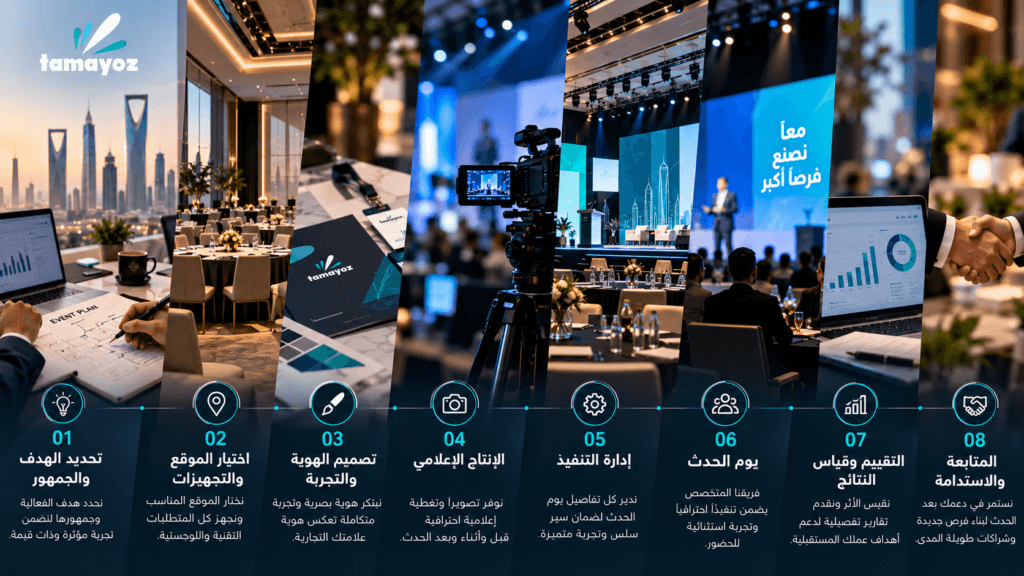
Organizing a successful event in Saudi Arabia doesn't start with booking a venue or sending invitations; it starts with a clear, measurable goal and an operational plan that connects the audience, the message and the budget. This guide gives companies practical steps to organize a conference, exhibition or corporate event, from the first idea to evaluating results after the event.
Start by defining the purpose of the event: do you want to launch a product, build relationships, train a team or raise brand awareness? Turn this purpose into specific indicators such as target attendance, registration-to-attendance ratio, engagement quality or number of sales opportunities. When the team knows what it is measuring, choosing the venue, program and budget becomes more precise.
Split the budget from the start into clear items: venue, technical equipment, hospitality, branding and design, marketing, operations team, photography and a contingency reserve. Then create a timeline that assigns an owner and a deadline to every task. Don't settle for a list of suppliers; compare offers on quality, commitment and responsiveness, and confirm the scope of work in writing before execution starts.
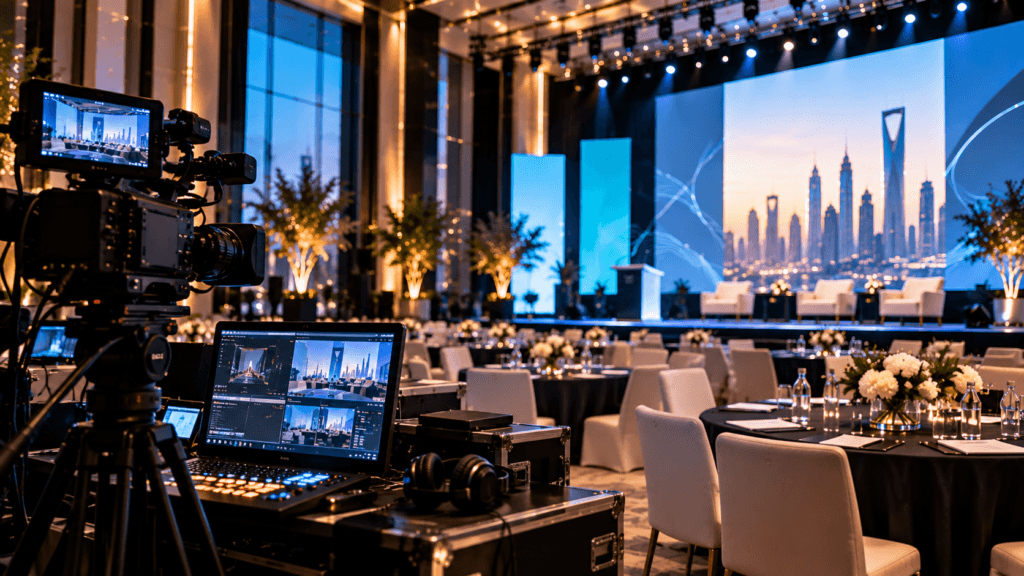
On the event day, appoint an event lead and a single point of contact for each supplier. Do a technical walkthrough before guests arrive to check registration, signage, sound, lighting, hospitality and entry routes. Use a minute-by-minute run sheet and set up a fast communication channel for the team to handle any delay or change. A calm experience for attendees starts with preparation the audience never sees.
After the event, collect registration, attendance and engagement data along with feedback from guests, the team and suppliers. Compare the results with the indicators you set at the start, then document what worked and what needs improvement. A short post-event report turns the experience into practical knowledge and makes your decisions for the next event faster and more accurate.
Successful events are not a set of separate tasks; they are one experience that starts with a clear goal and continues with a precise plan, flexible execution and honest measurement of results. When your company manages the audience, budget, suppliers and content in one track, every event becomes a chance to strengthen trust in the brand and build relationships and results that can grow.
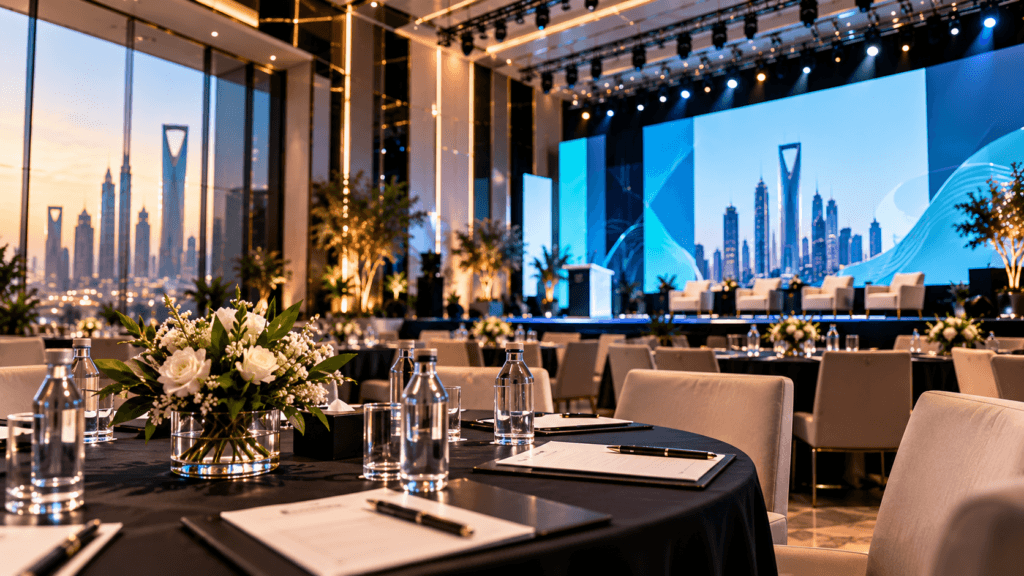
Before approving the final plan, create a short checklist covering approvals, contracts, insurance, safety plans, emergency numbers and the owner of each contact point. Review this list with the team 48 hours before the event, then hold a short briefing on the morning of the day to confirm timing, the guest route and the backup plan. Because venue details shape the first impression, test registration, signage, access routes and parking before attendees arrive.
How do you organize a successful event in Saudi Arabia? Always start with the guest experience: the invitation message, easy registration, reception, program quality and post-event follow-up. Send a thank-you message and a practical summary within 24 hours, then follow up with leads according to clear priorities. With these steps, organizing an event becomes an ongoing tool for building trust and achieving business goals rather than a one-off occasion. Planning an event? Explore our Event management in Al Khobar andDammam andRiyadh.